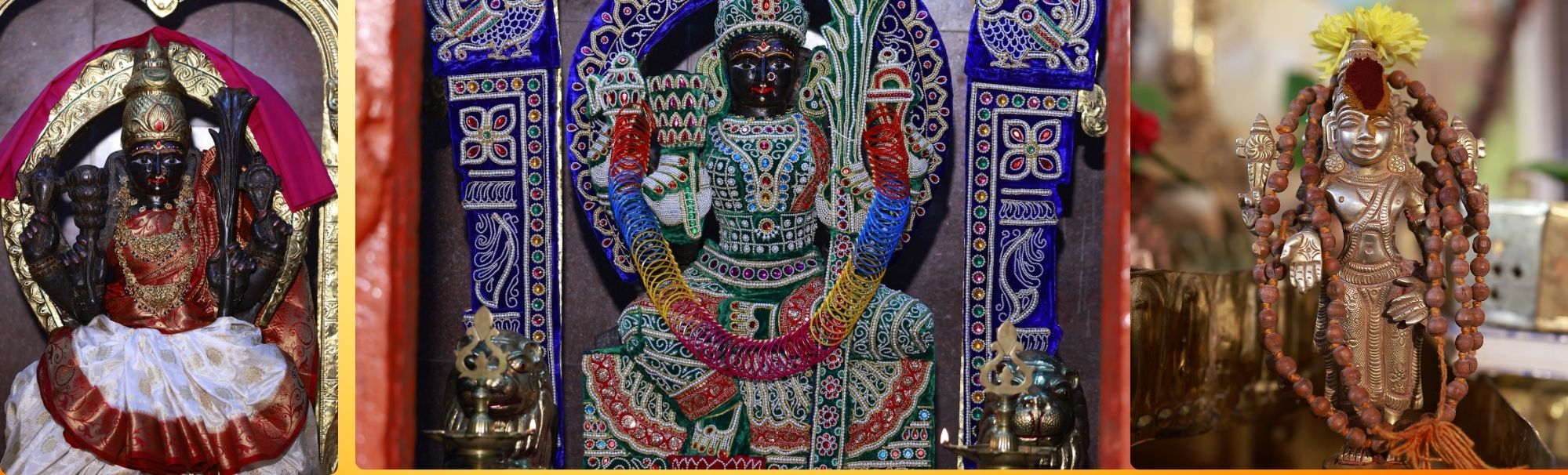
Jaya Jaya Shankara Hara Hara Shankara Sri Lalitha Tripura Sundari Devalayam, Kurnool Shruti Smriti Purananam Alayam Karunalayam Namami Bhagavatpada Shankaram Loka Shankaram

Sri Lalitha Tripura Sundari Temple – Kurnool


To the kin of the Divine (Bhagavat Bandhu), Our Mother India (Bharata Mata) is truly blessed.

Our land is the sanctuary of numerous holy pilgrimage sites, sacred rivers, majestic mountain peaks, and vast ancient forests. Here, the Sanatana Vedic Dharma flourishes. Whenever circumstances arose that threatened righteousness (Dharma), the Supreme Soul manifested in various incarnations. This land has been purified by the teachings of many great righteous souls.

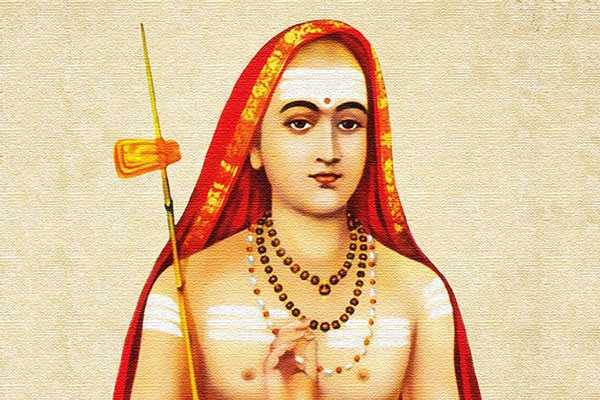
During the 7th century A.D., when the lifestyles and beliefs of the people were in turmoil due to the influence of various sects like Bauddha, Jaina, Kapalika, and Charvaka, Lord Shiva Himself manifested. He was born as Adi Shankara in the village of Kaladi, Kerala, to the pious Nambudiri Brahmin couple, Aryamba and Shivaguru.
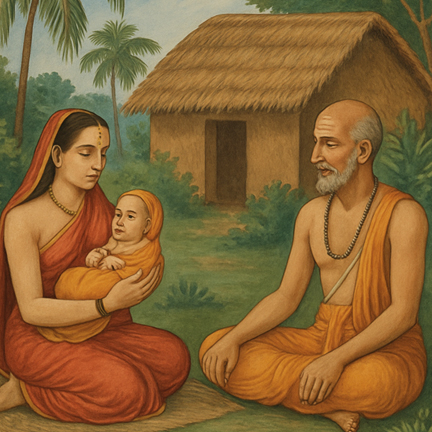
 

The Life and Legacy of Adi Shankara

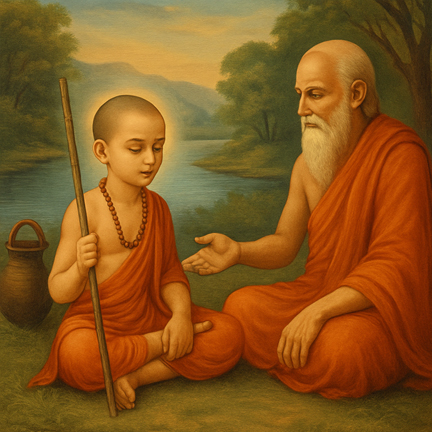
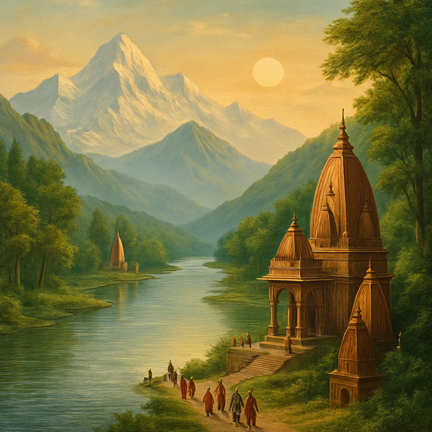
He took up Sanyasa (renunciation) at the tender age of five and became a disciple of the great ascetic Govinda Bhagavatpada on the banks of the Narmada River. Under his guidance, he mastered various branches of knowledge. Later, he visited the holy city of Kashi to seek the blessings of Lord Vishveshwara. On the banks of the Ganges, he authored the Bhashyas (commentaries) for the Brahma Sutras, Upanishads, and the Bhagavad Gita, establishing the Advaita Vedanta philosophy as their foundation.

Prepared to spread this wisdom across the world, he engaged in a famous debate with Mandana Misra, a resident of Mahishmati. With Ubhaya Bharati acting as the judge, Shankara emerged victorious. He then initiated Mandana Misra into Sanyasa, naming him Sureshwaracharya, and accepted him as his disciple.

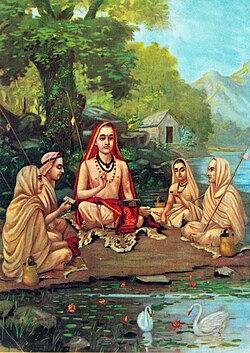
Along with his principal disciples—Padmapada, Hastamalaka, Totakacharya, and Sureshwaracharya—he set out to restore Sanatana Vedic Dharma. To achieve this, he established four Peethas (monasteries) in the four corners of India, based on the Four Mahavakyas (Great Sayings of the Vedas).

After writing numerous Prakarana Granthas (philosophical texts) and Stotrams (hymns) and imparting supreme knowledge to his disciples, he departed for Kailasa via Kedarnath at the young age of thirty-two.

The Southern Seat of Wisdom: Sringeri Sharada Peetham

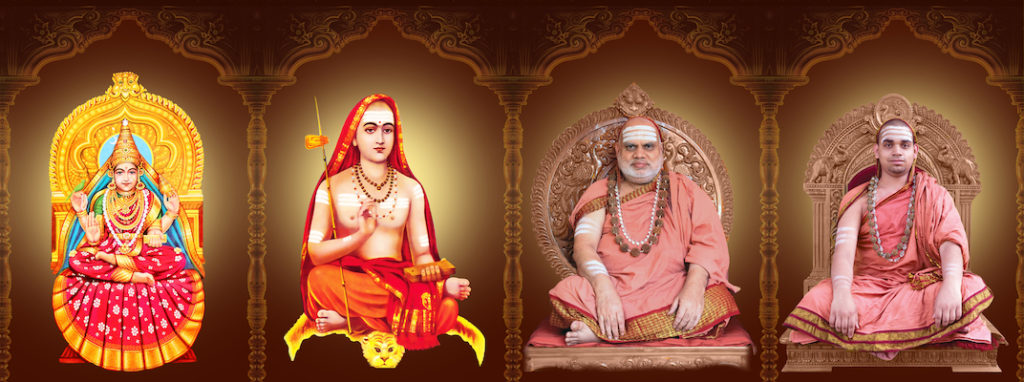
Among the four monasteries (Peethas) established by Adi Shankaracharya, the Dakshinamnaya Sringeri Sharada Peetham is considered the crown jewel. The first preceptor (Guru) of this seat was Sureshwaracharya.

In this unbroken lineage of Jagadgurus (Teachers of the World), the current 36th and 37th heads of the Peetha are the eminent Paramahamsa Parivrajakacharya Sri Sri Sri Bharati Tirtha Mahaswami and his successor, born of his lotus hands, Sri Sri Sri Vidhusekhara Bharati Swami.

As “walking divinities” on this earth, they continue to propagate Sanatana Dharma, explaining the profound significance of worshipping the Divine and resolving the spiritual doubts of countless devotees. They graciously grant us the blessed opportunity to serve at their holy feet.

“I offer hundreds of thousands of pranamam (salutations) to them.”